

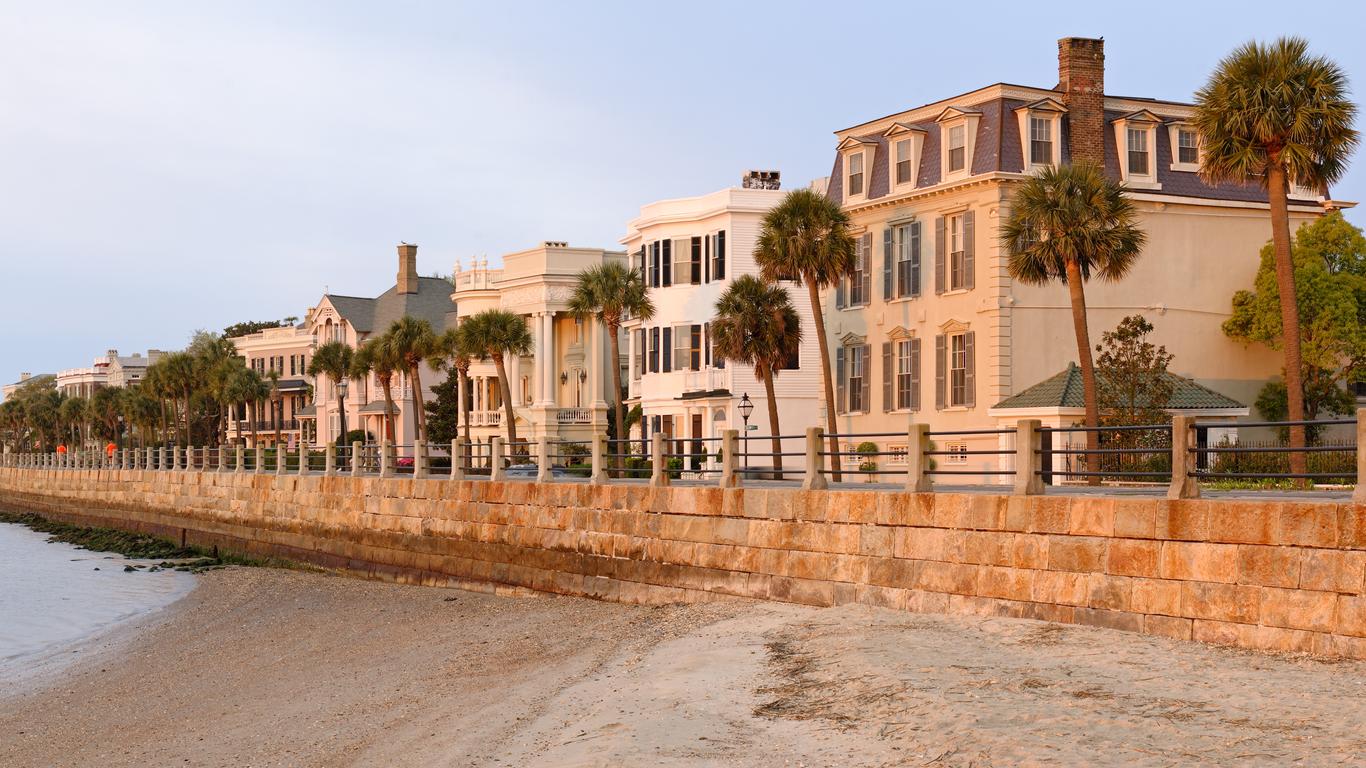
When conducting a reserve studies Charleston, careful consideration of Category 4/5 hurricane preparedness, severe salt air exposure, significant seismic risk, and rapid wood deterioration due to humidity is essential. Structures must be prepared for the strong winds and recurrent flooding of the Lowcountry, which accelerate wear on specialized historic materials, metal components, and elevated structural supports. The need for specialized contractors certified in historic preservation and coastal construction creates unique maintenance and replacement demands, requiring specialized local insight for accurate reserve projections.

Historic District Compliance – Structures within the historic downtown must adhere to strict Board of Architectural Review (BAR) standards, making repairs (especially to stucco, slate roofs, and ironwork) highly specialized and significantly more expensive.
Hurricane Resilience – Funds must account for replacing and maintaining coastal structural features, including impact-resistant windows, specialized roof systems, and reinforced tie-downs designed for maximum wind resistance.
Seismic Risk – Charleston is in an active seismic area. Reserve projections must factor in potential repair costs related to structures built to withstand ground motion.
Our engineers are well-versed in the unique challenges and requirements of reserve studies in Charleston, including historic preservation codes, FEMA compliance, severe coastal corrosion, and the necessary maintenance of structures built to withstand both hurricane and seismic risks.

CEO & Founder - Sr. Engineering Consultant
Areas of expertise: Reserve Studies, Mechanical Engineering, New Product Development
B.S. Mechanical Engineering Marquette University. 18 years of Reserve Study Experience.


How do reserve studies Charleston support responsible reserve funding?
Reserve studies Charleston calculate recommended reserve contributions based on expected future expenses, helping associations build adequate reserve funds while avoiding underfunding or excessive contributions.
What are the long-term advantages of reserve studies Charleston?
Reserve studies Charleston support proactive property management by helping communities prepare for future repairs, improve financial stability, extend the life of common assets, reduce financial surprises, and preserve property values for years to come.
What common property components are included in reserve studies Charleston?
Reserve studies Charleston typically evaluate major shared components such as roofs, siding, windows, parking lots, sidewalks, stormwater systems, lighting, elevators, HVAC equipment, fencing, and recreational amenities. Each study is customized based on the property's unique features.

%20(2).png)

