

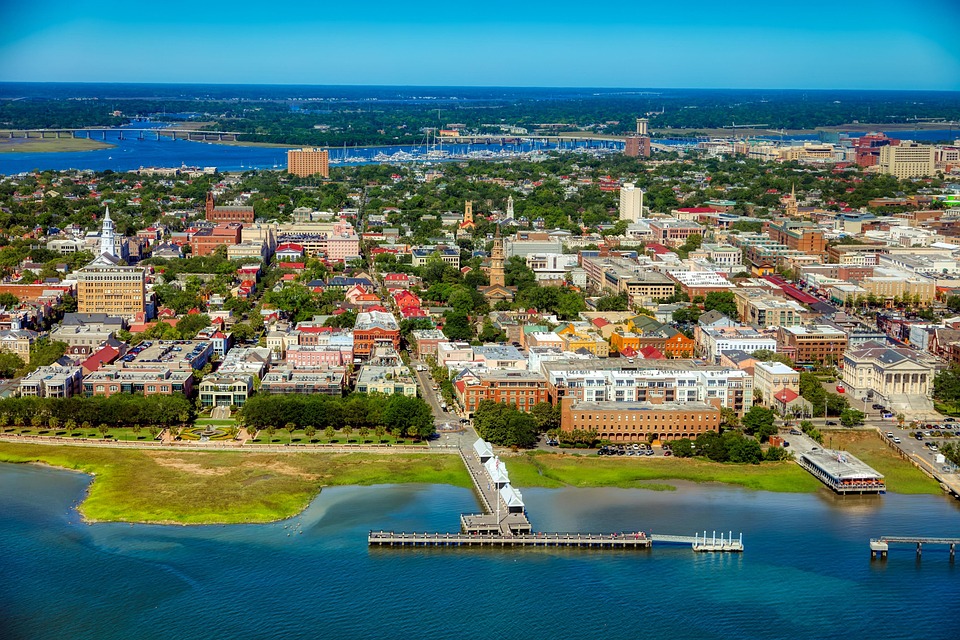
When conducting a reserve study for properties in South Carolina, careful consideration of coastal hazard risks, high humidity, seismic activity, and the potential for widespread pest damage is essential. Structures must be prepared for the strong winds and flooding common to the Lowcountry, which accelerate wear on roofs, siding, and building systems. Persistent moisture encourages mold and deterioration, while the state's location on the Atlantic Coast requires preparedness for coastal erosion and salt exposure. These factors create unique maintenance and replacement demands, requiring specialized local insight for accurate reserve projections.

Hurricane Preparedness – Structures in coastal counties must withstand high wind loads and heavy rainfall typical of Atlantic storm systems, requiring specialized roof and window systems.
Termite & Pest Mitigation – The warm, humid climate creates a high risk for subterranean and drywood termite infestation, requiring annual budgeting for prevention, monitoring, and structural repairs.
High Humidity & Mold Control – Efficient HVAC systems and proper ventilation are critical to combat persistent high humidity, preventing mold, mildew, and accelerated deterioration of interior finishes and building envelopes.
Flood Zone Compliance – Properties in designated FEMA flood zones (especially AE and VE) require specific budgeting for elevated mechanical systems, flood-resistant materials, and continuous maintenance of ground-level structural components (pilings, breakaway walls).
Seismic Considerations – South Carolina, particularly the Charleston area, has historically experienced significant earthquakes. Reserve funds must account for the maintenance of structures built to current seismic design categories and the structural components vulnerable to shaking damage.
Salt Air Corrosion – Coastal salt spray accelerates the corrosion of metal components like railings, HVAC condensing units, and structural connectors, requiring regular inspection and specialized protective coatings.
Our engineers are well-versed in the unique challenges and requirements of reserve studies in South Carolina, including hurricane and flood zone compliance, high termite activity, high humidity control, and the necessary maintenance of structures built to withstand coastal and seismic risks.

CEO & Founder - Sr. Engineering Consultant
Areas of expertise: Reserve Studies, Mechanical Engineering, New Product Development
B.S. Mechanical Engineering Marquette University. 18 years of Reserve Study Experience.


%20(2).png)

