

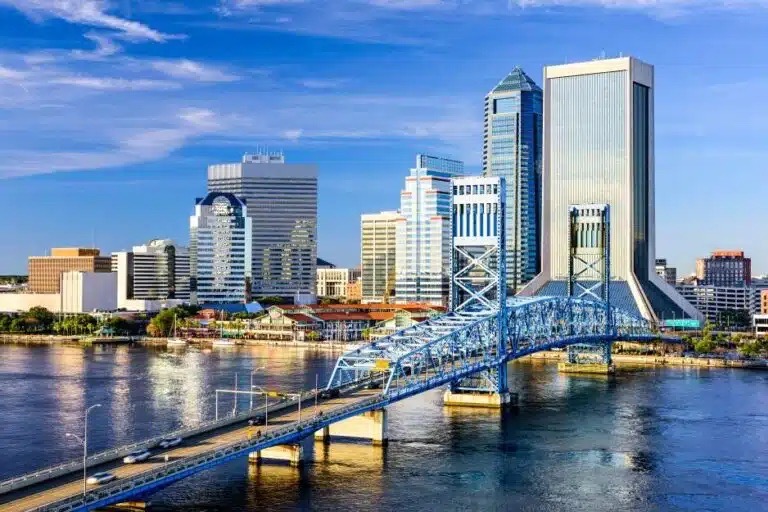
When conducting a reserve study for properties in Jacksonville, careful consideration of the high volume of older infrastructure, specific wind-load requirements (Atlantic coast), and the flood risk associated with the massive St. Johns River is essential. Structures must budget for high maintenance costs on older buildings, and properties near the water need specialized funding for bulkhead and dock repair. The scale of the city requires a unique understanding of large-scale public infrastructure interface and local contractor availability.

Aging Infrastructure Costs – As the city has a high volume of older condos and HOAs, reserve funds must account for the elevated costs associated with deferred maintenance, structural upgrades, and full system replacements (plumbing, electrical) in aging buildings.
St. Johns River Flood & Bulkhead Risk – Properties along the river must budget for the maintenance, repair, and potential replacement of bulkheads, docks, and river walls that are constantly subjected to river currents and tidal fluctuations.
Elevator Maintenance (Mid-Rise) – Jacksonville features a growing number of mid-rise buildings, requiring dedicated and often accelerated budgeting for elevator service, modernization, and eventual replacement.
Termite and Wood-Destroying Organisms – The climate supports high termite activity, requiring mandatory annual budgeting for preventative treatments, subterranean baiting systems, and the repair of any wood-destroying organism damage.
Our engineers are well-versed in the unique challenges and requirements of reserve studies in Jacksonville, specializing in aging infrastructure assessment, St. Johns River bulkhead maintenance, Atlantic wind-load compliance, and managing the high risk of termite infestation in Northeast Florida.

CEO & Founder - Sr. Engineering Consultant
Areas of expertise: Reserve Studies, Mechanical Engineering, New Product Development
B.S. Mechanical Engineering Marquette University. 18 years of Reserve Study Experience.


Sr. Architectural Consultant
Areas of expertise: Reserve Studies, Architectural Assemblies, Facade Systems
Masters in Architecture, Business Administration University of Wisconsin Milwaukee. 15 years of Reserve Study Experience and has conducted over 1,200 Reserve Studies.


Sr. Engineering Consultant
Areas of expertise: Reserve Studies, Civil Engineering, Water Management, FAA Cert. Drone Operator
B.S. Civil Engineering University of Wisconsin Milwaukee. Licensed Engineer. 7 years of Reserve Study Experience, over 700 Reserve Studies conducted and over 24 years of industry-related experience.

.png)

Engineering Consultant
Reserve Studies, Mechanical Engineering
B.S. Mechanical Engineering Stanford University

%20(2).png)

