

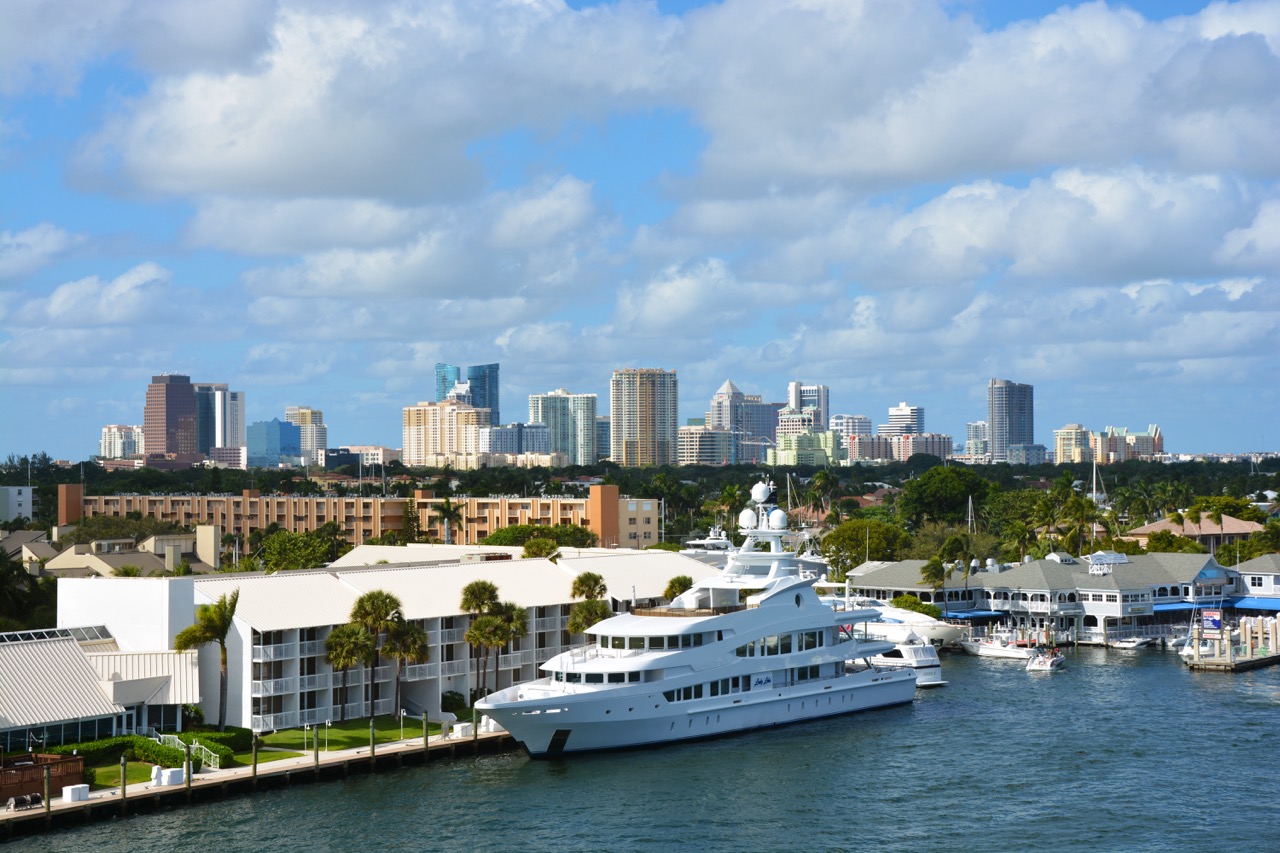
When conducting a reserve study in Fort Lauderdale, key challenges revolve around the high volume of privately maintained canal infrastructure and the long-term maintenance of the beachfront high-rises. Structures must budget for the continuous maintenance of bulkheads, docks, and pilings against brackish water corrosion. Compliance with the Structural Integrity Reserve Study (SIRS) is non-negotiable, and reserve planning must account for the accelerated deterioration of components specific to the high-traffic, waterfront lifestyle.

Bulkhead & Dock Infrastructure – As the "Venice of America," the highest cost unique to Fort Lauderdale is the replacement and repair of bulkheads, pilings, and community docks along the vast network of canals, which degrade rapidly in brackish and saltwater environments.
Galt Ocean Mile High-Rise Maintenance – The dense beachfront corridor requires specialized budgeting for complex building envelopes, high-end vertical transport, and mandatory Milestone Inspection compliance for its aged, tall structures.
Pool Deck & Balcony Rehabilitation – High-rise properties often feature large, exposed pool decks above parking structures. Reserve funds for an infrastructure assessment Fort Lauderdale must cover extensive waterproofing and concrete slab rehabilitation due to exposure and high user traffic.
Corrosion from Brackish Water – The intercoastal and canal system's mix of fresh and saltwater creates a particularly corrosive environment for submerged and partially submerged materials, requiring advanced, specialized coatings for mechanicals and pilings.
Our engineers are experts in the unique challenges of Fort Lauderdale, specializing in SIRS compliance for Galt Ocean Mile towers, budgeting for bulkhead and dock asset replacement, assessing brackish water corrosion, and managing the repair costs of high-volume residential and resort amenities.

CEO & Founder - Sr. Engineering Consultant
Areas of expertise: Reserve Studies, Mechanical Engineering, New Product Development
B.S. Mechanical Engineering Marquette University. 18 years of Reserve Study Experience.


How often should a property get an infrastructure assessment in Fort Lauderdale?
Most communities and commercial properties benefit from an infrastructure assessment of Fort Lauderdale every 1–3 years, or after major weather events like hurricanes or flooding. This ensures condition reports and reserve funding projections remain accurate and up-to-date.
Why do properties in Fort Lauderdale need infrastructure assessments?
Due to coastal weather, humidity, salt exposure, and aging buildings, properties in Fort Lauderdale experience accelerated wear and tear. An infrastructure assessment Fort Lauderdale helps HOAs, condos, and commercial property owners proactively plan for maintenance, prevent unexpected failures, and meet Florida statutory reserve funding requirements.
What does an infrastructure assessment in Fort Lauderdale typically include?
A comprehensive infrastructure assessment Fort Lauderdale may include:

%20(2).png)

