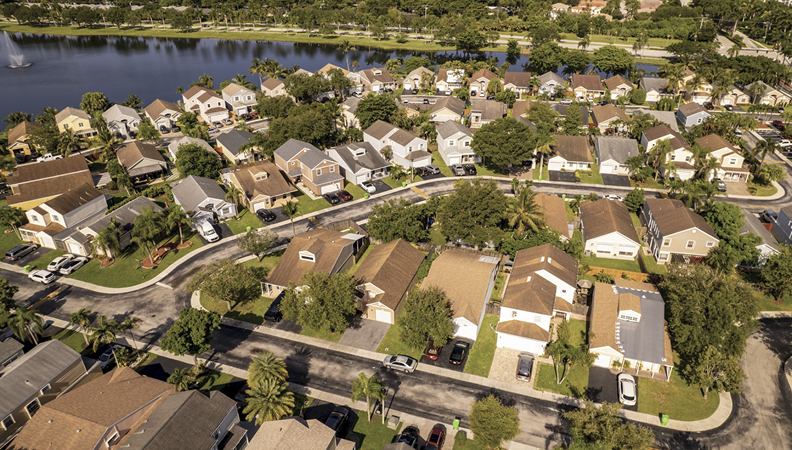
A structural integrity reserve study Daytona Beach must account for its unique position along Florida’s Surf Coast, facing Atlantic hurricane risk, coastal climate exposure, salt-air deterioration, aging structures, and the long-term maintenance demands associated with high-density beachfront and inland community associations.
A reserve study for a property in the Florida must account for hurricane winds, salt air corrosion, flooding risks, and high humidity that accelerate wear on roofs, HVAC systems, and exterior materials.
A reserve study for a property in Fort Lauderdale (Broward County) requires an expert focus on the city's unique position as the "Venice of America," demanding specialized planning for maritime infrastructure (docks, bulkheads), Galt Ocean Mile tower maintenance, and complex flood/wind resistance in its dense waterfront communities.
A reserve study for a property in Jacksonville must account for its unique position in Northeast Florida, facing Atlantic hurricane risk, a high concentration of aging structures, riverine flood plains (St. Johns River), and the challenges of the state's largest city footprint.
A reserve study for a property in Miami (Miami-Dade County) requires specialized knowledge of extreme structural demands, focusing heavily on SIRS compliance for aging high-rise towers, rapid concrete deterioration (rebar corrosion), and the massive capital required for the restoration and elevation of seawalls against sea level rise.
A reserve study for a property in Orlando (Central Florida) must account for the area's inland environment, focusing heavily on extreme humidity and heat, massive transient-use wear-and-tear (theme park rentals), and the high cost and specialized needs of large recreational amenities common in vacation-oriented communities.
A reserve study for a property in St. Augustine must account for its unique position on Florida’s First Coast and within Northeast Florida, facing Atlantic hurricane risk, coastal climate exposure, aging structures, and the long-term maintenance challenges associated with historic and waterfront communities.
A reserve study for a property in Tallahassee must account for its position in the Panhandle, facing a unique blend of Southern climate factors: periodic freeze-thaw cycles, high risk of severe tropical storms/hurricanes (Gulf Coast), and soil reactivity similar to South Georgia.
A reserve study for a property in Wellington, Florida must account for its unique position as a growing equestrian and residential community in Palm Beach County, with a high concentration of HOA and condominium associations, extensive master-planned developments, and the long-term maintenance demands associated with rapidly evolving infrastructure and community amenities.
A structural integrity reserve study West Palm Beach must account for its unique position along Florida’s Treasure Coast, facing Atlantic hurricane risk, coastal climate exposure, salt-air deterioration, aging structures, and the long-term maintenance demands associated with high-density condominium and HOA communities.

%20(2).png)